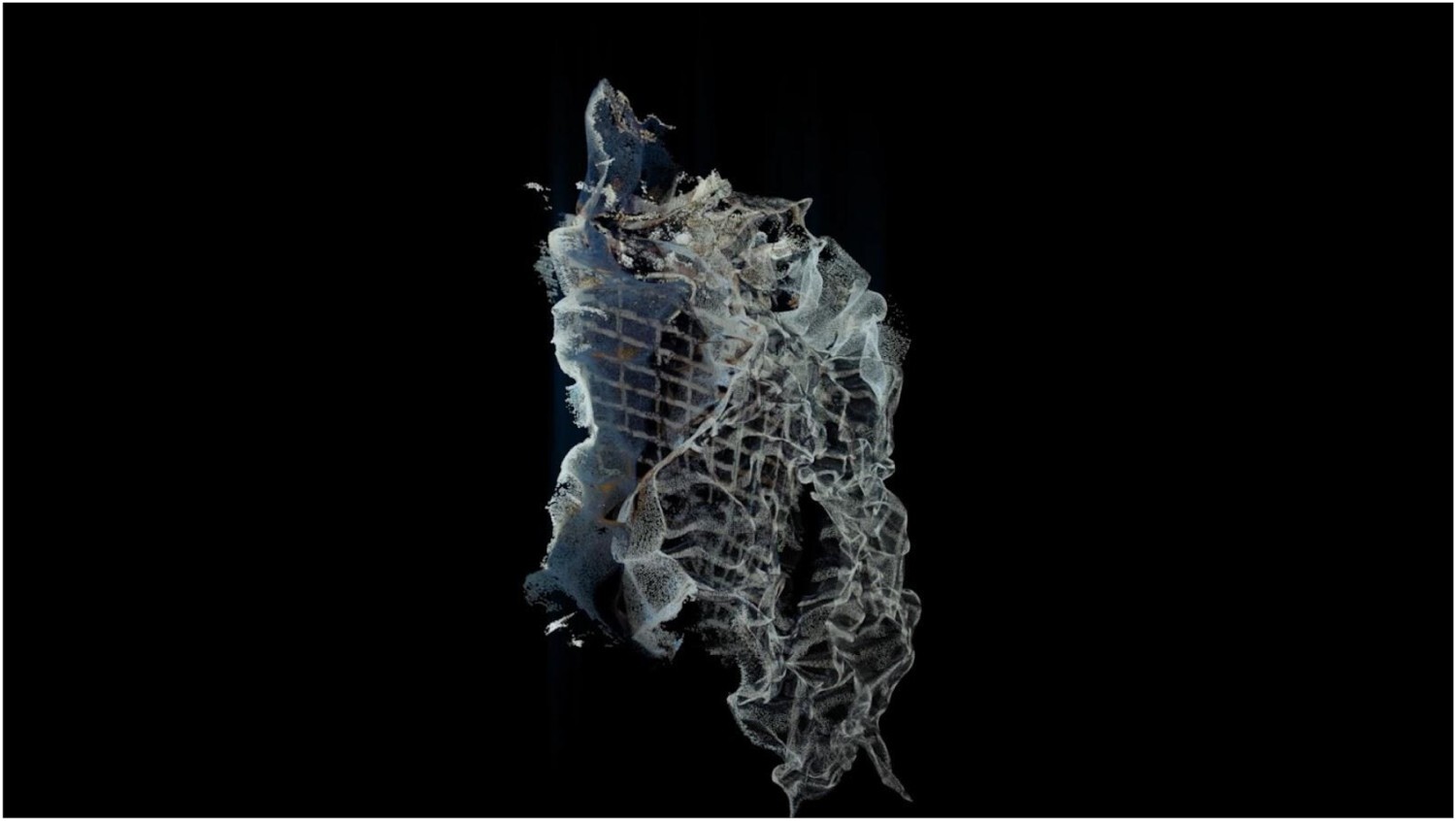
in this special feature for city: scenes sounds action, we bring together a series of multimodal essays by academics, artists, and activists who are experimenting with creative methods to examine and represent violence in and to urban places, and through urban development. the contributors have taken mayssa jallad’s 2023 concept album, marjaa: the battle of the hotels, as inspiration for this collection. marjaa tells two parallel stories of urban violence in lebanon: the weaponisation of architecture during the civil war, and the violence of post-war urban reconstruction. in this introductory essay, we also use marjaa as an entry point into current debates about how to record and examine violence in and to the urban, and how to make violent acts legible, so they can inform resistance. we therefore also speak back to the notions of structural and slow violence, in relation to urban planning and development, their entanglements with direct violence, and the challenges they pose to understanding and representing violence. to frame this diverse collection, our framing essay expands on three intersecting themes: the materiality and immateriality of violence; the temporalities and rhythms of violence; and the resistances and solidarities that respond to violence. since writing about violence is itself a political act, we discuss these recurring themes in relation to the contemporary urbicide enacted by the israeli regime on palestine and lebanon, before connecting them to the particular cases of violence across diverse geographies dealt with in the special feature.
Keywords:
introduction
the contributors to this city: scenes sounds action special feature initially came together as a group to listen and respond to a concept album called marjaa: the battle of the hotels by singer-songwriter and researcher mayssa jallad. marjaa tells two stories of urban violence in lebanon: one from the lebanese civil war (1975–1990), in which beirut’s architecture was used as a weapon for inflicting violence in urban warfare and civil conflict, and the other from the post-war present, in which mayssa confronts further destruction of urban life under the guise of urban reconstruction that has created ‘an empty place, a placeless space, a hole in memory’ (khoury 1995).
on may 1st, 2024, a collective of academics, activists, and artists came together to understand ways of representing multitudes of urban violence and resistance. our work engages with sites of urban violence in turkey, lebanon, the uk, egypt and the west bank, but gaza weighed heavily on our conversations, which, as well as marjaa, became the focal point around which our debates turned. we met to listen to marjaa 207 days after hamas’ attack on israel, and 206 days since israel escalated its genocidal destruction of gaza. the israeli government, with the support of complicit nation-states, has achieved genocidal aims alongside and on the back of an ongoing urbicide against palestinians (graham 2003).