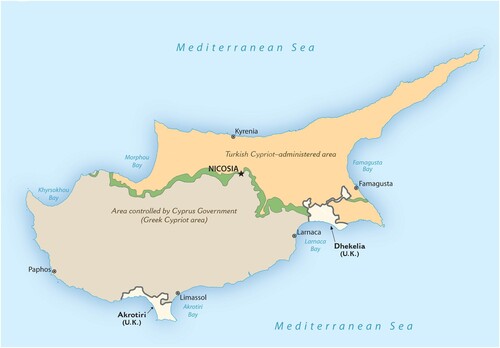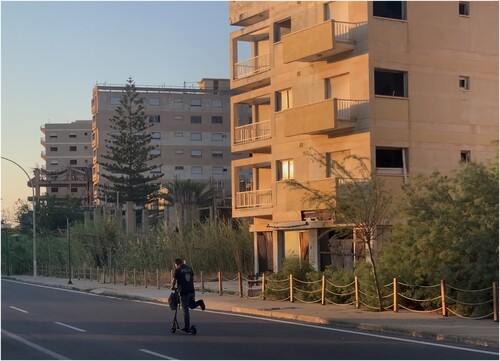
the specter of new global conflicts has brought up old questions about dark tourism: is it ever appropriate to visit recent ruins? can ruins, and places where violence has occurred, teach lessons about peace and cooperation? or is it merely war voyeurism? this piece considers the ruins of varosha (a beachfront district of famagusta, or gazimağusa, in turkish) a once thriving tourism hub which has been walled off from visitors since the turkish invasion of cyprus in 1974. the invasion, and the creation of the largely-unrecognized state of northern cyprus, was preceded by years of interethnic tension between turkish- and greek-cypriot communities. recently, the government has reopened the destroyed city, forcing peace activists and urbanists to consider what role these ruins play in conflict resolution and in claims for space.
Keywords:
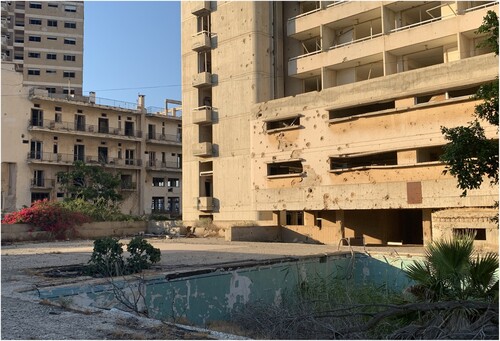
in 1974, turkey invaded cyprus starting a period of conflict that is ongoing. varosha—an 11-kilometer long beachfront strip in the turkish republic of northern cyprus (trnc)—was completely closed to the public until 2021. the reopening, limited to walkers and cyclists, makes the city’s ruins accessible to tourists but also brings up difficult questions about its future.
when the trnc reopened varosha, the announcement was a geopolitical event. turkish president tayyip erdoğan and trnc leader ersin tatar visited varosha together, surveying the bullet-pocked buildings and half constructed hotels that had been off limits to all but the military since 1974. conspicuously absent at the reopening were representatives from the republic of cyprus, an eu member who hold that varosha is their territory; representatives from the united nations, who patrol cyprus’s internal border; or any other country. that’s because the reopening was a unilateral move by the trnc, a state recognized only by turkey. they opened the area without explicit plans for new buildings or restoration, but rather as ruins, showcasing the decay of what had been the island’s main tourism hub.